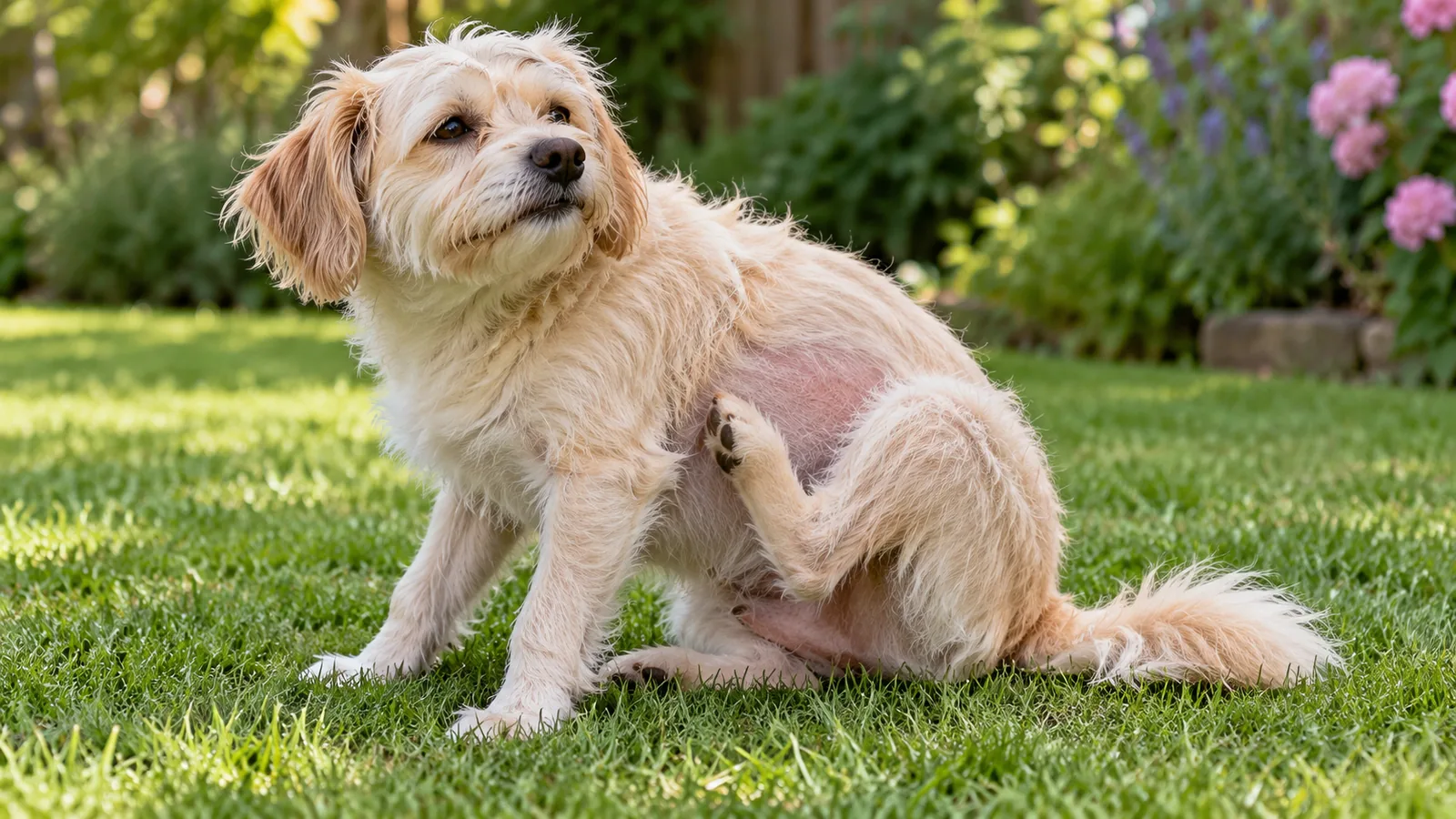
Hair loss that fills in partway and then stalls usually means more than one thing is going on at the same time. Allergic skin itches, the scratching breaks it open, and the bacteria and yeast already living on the surface overgrow in the damage. Fleas can be riding along underneath it all, and a hormone problem will thin the coat quietly, with little or no itch. Each layer needs its own treatment, which is the difference between relief that lasts a week and a coat that actually grows back.
At Northwood Veterinary Hospital, we dig into the cause rather than just hoping the hair will grow back. Our lab and diagnostic capabilities let us look at skin and ear samples directly and screen for parasites, and we recommend bloodwork when a coat thins quietly with little or no itch. What we find sets the treatment plan instead of a standard protocol, and regular wellness exams give us a chance to check the skin and coat before a small thin spot turns into months of trouble. If your pet keeps scratching after treatment, or the hair is still not coming back, come in and let us take a look.
Pet Hair Loss: The Basics
- Hair loss is a symptom, not a diagnosis, and the same bald patch can come from allergies, parasites, infection, hormones, genetics, stress, or pain.
- Itchy, uneven hair loss points at the skin, while symmetrical thinning with little or no scratching more often points at a hormone problem.
- Many cases improve a great deal once the cause is identified, though inherited coat conditions are managed for life rather than cured.
- Skin samples read under a microscope, fungal cultures, and bloodwork find the cause faster than trying one treatment after another.
Is This Normal Shedding, or Hair Loss That Needs a Look?
Alopecia is the medical term for hair loss, and what matters is less that hair is missing and more what's driving it. Normal shedding thins the coat evenly and then fills back in, while alopecia leaves gaps that keep going.
| What you're seeing | Normal shedding | Worth an exam |
| Pattern | Even, all over the coat | Patches, thin flanks, a bare strip along the back |
| Skin underneath | Normal color, no flakes | Red, dark, greasy, scaly, or crusted |
| Timing | Spring and fall, then it stops | Any season, and it keeps going |
| Behavior | No change in licking | Scratching, chewing, or barbering (hair chewed off short in one spot) |
| Regrowth | Fills in over a few weeks | Nothing returns, or new hair is sparse and brittle |
A patch with a lump, a nonhealing sore, or a bleeding surface in it needs a look sooner, since skin tumors and deep infection can clear hair in one spot. Cats hide all of this well, and a cat who licks their belly bare overnight can look perfectly normal on the couch.
The history is what narrows it further, so expect us to ask when the thinning started, whether it followed a season or a move, which pets in the house are itchy, whether anyone's skin is itchy too, and what the coat did after the last round of medication.
Why Would Hair Fall Out With No Itching at All?
Hair that thins evenly on both sides of the body, with little or no scratching, points away from the skin and toward hormones or inherited coat structure. These changes come on so gradually that families often spot them first in an old photo.
Could a Hormone Problem Be Thinning the Coat?
In middle-aged dogs, hypothyroidism thins the coat symmetrically along the trunk and tail while weight climbs, energy drops, and the skin turns dull and flaky. Cushing's disease, caused by too much cortisol, pairs symmetrical hair loss with a pot-bellied silhouette, thinning skin, and a noticeable jump in thirst, appetite, and urination. In cats, an overactive thyroid brings weight loss despite a good appetite, restlessness, and a rough, unkempt coat, sometimes with hair pulled out over the belly. All three can be treated, and the coat is usually the last thing to catch up.
Hormone imbalances often show in blood values before the thinning is obvious, so when a coat thins with no itch, schedule a visit where we’ll start with bloodwork and a conversation with you about what’s changing at home.
Could an Intact Pet or a Hormone Cream at Home Explain It?
An intact male dog whose flanks and groin have gone evenly bald may have a testicular tumor producing enough estrogen to thin the coat there, and the hair often returns over the months after neutering. Intact females can show similar even thinning tied to their cycles, and spaying frequently resolves it.
Pets also absorb human hormones from topical creams and gels, through skin contact on a lap or by licking an application site. If anyone in the house uses one, tell us.
Could It Be an Inherited Coat Condition?
Some coats are built differently from the start, and hereditary alopecia follows predictable breed patterns that can't be cured but can be kept comfortable for life.
- Color dilution alopecia: Blue and fawn coats, seen in Dobermans, Dachshunds, and blue-coated terriers, break and thin over the diluted areas as the dog reaches young adulthood.
- Seasonal flank alopecia: A symmetrical patch drops out on each flank in late winter and regrows as the days lengthen, most often in Boxers, Bulldogs, and Airedales.
- Alopecia X: Pomeranians, Poodles, and other plush-coated breeds lose guard hairs down the trunk and tail while the head and legs stay full.
- Sebaceous adenitis: Standard Poodles, Akitas, and Vizslas develop scaling, silvery casts along the hair shafts, and a dull coat that pulls out in tufts.
- Zinc-responsive dermatosis: Crusting around the eyes, mouth, and footpads in Huskies and Malamutes, and many of these dogs improve with zinc supplementation.
Diagnosis is a process of elimination, so mites, infection, and hormones get ruled out first. Management leans on supportive skin care, nutrition, and in some cases melatonin.
If the Itch Came First, Is It Allergies?
If the chewing and scratching came first and the bald patch followed, an allergy is one of the likeliest explanations. An immune system that overreacts to pollen, grasses, dust mites, or mold produces atopic dermatitis, an allergic skin disease, and the scratching, licking, and chewing it sets off break the hair and leave bald patches.
Three categories cover most of it: what's in the air and on the ground, something in the food bowl, and flea saliva. Flea allergy needs very little exposure to do a lot of damage, and a warm house keeps fleas going long after the first hard frost in New Hampshire, so winter itch doesn't rule it out.
- Dogs: The itch lands on the feet, face, ears, armpits, and the base of the tail.
- Cats: Allergic cats are quieter about it, turning up with tiny scabs along the spine, a chewed-bare belly, or crusting around the neck.
Food is the slowest question to answer. Confirming a food allergy takes an elimination diet: one novel or hydrolyzed protein diet, fed alone for eight to twelve weeks, with every treat, flavored chew, and table scrap off the menu for the whole stretch. Allergy testing has a role too, though it points at pollens and dust mites rather than food. An itch that returns after every round of treatment means the trigger hasn't been found yet.
What If It's Mites, Fleas, or a Skin Infection?
Indoor-only pets pick up parasites too, and most of the culprits in this group can't be seen without a microscope, so a clean-looking coat doesn't rule them out.
Which Parasites Chew the Hair Off?
- Mites: Demodex mites live deep inside the hair follicle and multiply when the immune system is immature or suppressed, leaving patchy, often barely itchy bald spots around the face and legs. Sarcoptic mange produces some of the most relentless itching in dogs, usually starting on the ear margins, elbows, and belly, and it moves easily between pets and to people.
- Fleas: A flea burden strips hair off the lower back and tail base quickly, and year-round prevention takes care of most flea-driven itch.
When Do Bacteria, Yeast, or Ringworm Take Over?
- Bacteria and yeast: Both already live on healthy skin and overgrow once that skin is inflamed and broken, which is why a patch can look worse two weeks into treatment. Malassezia yeast adds a musty smell and a greasy, rust-tinged coat.
- Ringworm: This fungal infection isn't a worm at all. It leaves circular, scaly bald spots, spreads to people and other pets, and lingers as spores in bedding and carpet, so confirming it changes how a household cleans.
Our skin scrapings and cytology, a few cells from the skin read under our microscope, tell us which one we're dealing with, and a fungal culture confirms ringworm.
Could Anxiety or a Sore Joint Be Behind a Licked-Bare Patch?
Both cats and dogs lick and chew harder when they're anxious or hurting, usually overnight or while the house is empty, so the bare patch is often the first sign anybody catches. Stress and pain can look the same at home, and they need different treatment.
Is My Pet Overgrooming Because of Stress?
Overgrooming driven by stress, called psychogenic alopecia, shows up as smooth, thinly covered skin on the belly, inner thighs, or flanks, with healthy skin underneath. The triggers are rarely dramatic: a strange cat outside the window, a move, or a litter box moved to a busier corner. Dogs do something similar, usually licking one spot on a front leg until the hair is gone and the skin thickens.
Could a Painful Joint Be Behind the Patch?
The cause that gets overlooked most often is pain. A pet will chew and pull hair over a joint that hurts even when the skin there looks fine, so a bare patch over a hip, a knee, or the lower back needs an orthopedic exam alongside the skin workup. Our team includes a veterinarian certified in rehabilitation medicine who can tell a sore joint from an anxious habit.
Does Diet or the Bath Routine Change How a Coat Grows?
A coat that grows in thin, dull, or brittle can be the first visible sign that something is missing from the diet, since hair is built from protein and depends on fatty acids, zinc, and biotin to grow normally. A complete, life-stage-appropriate diet covers the basics for most pets, and gaps show up with homemade recipes and long stretches on a single protein, so we read the recipe before adding anything.
Many itchy pets do better with added omega fatty acids, which strengthen the skin barrier and ease some of the inflammation behind the scratching, though the dose that makes a visible difference is usually more than a bag of food delivers.
- Brushing a few times a week: This lifts out dead hair and debris, spreads natural oils down the shaft, and doubles as a check for scabs, lumps, and thinning.
- Shampoo choice: A gentle or medicated shampoo chosen for the skin problem beats a scented one chosen for the smell.
- Rinsing: Rinse longer than feels necessary, because shampoo residue left on the skin itches.
- Bath frequency: Frequent baths and harsh shampoos strip the oils that keep hair flexible, and fragile hair breaks off instead of growing.
How Is Hair Loss Treated Once We Know the Cause?
Treatment is matched to the diagnosis, not to the bald patch, and many pets need two treatments at once.
| What's driving it | What treatment usually looks like |
| Allergies | Anti-itch medication for flares, medicated baths, omega-3 support, then a diet trial or allergy testing |
| Fleas and mites | Prescription parasite control for every pet in the house, plus the environment when fleas are involved |
| Bacterial or yeast infection | Topical or oral antimicrobials chosen from the cytology, continued long enough to finish the job |
| Ringworm | Antifungal treatment plus a cleaning routine for the house |
| Hormonal disease | Thyroid replacement, adrenal medication, or spay and neuter, with recheck bloodwork to confirm the dose |
| Stress or pain | Pain control and a mobility plan for a sore joint, environmental changes and sometimes anti-anxiety medication for stress |
| Inherited coat conditions | Supportive skin care, nutrition, and comfort-focused management rather than cure |
Hair regrows on its own schedule, so the recheck is where we confirm new growth, fine-tune a dose, and catch the secondary infection that sometimes moves in while the first problem clears. When a sore joint is part of the picture, pain control and physical therapy run alongside the skin treatment.
We take urgent visits during our open hours, so a hot spot, which is a raw and weeping sore that can erupt overnight, doesn't have to wait. If one opens up after hours or on a Sunday, head to the closest veterinary emergency hospital rather than waiting for us to open.
What Else Do Families Ask About Pet Hair Loss?
Does the hair come back once the cause is treated?
Hair regrows in most cases once the underlying cause is treated. It follows a growth cycle, so expect weeks to a few months rather than days, and new hair sometimes comes in a different color or texture before it blends. Skin that has scarred, patches chewed for years, and inherited conditions may stay permanently thin. We'll tell you which category your pet falls into.
Can this spread to me or my other pets?
A few causes travel. Ringworm spreads to people and animals through direct contact and through spores in bedding and carpet. Scabies mites can leave an itchy rash on human skin, though they can't complete their life cycle there, and fleas move between animals freely. Allergies, hormonal disease, and inherited coat problems spread to nobody. If someone in the house has a new itchy rash, mention it at the appointment.
Should I try an over-the-counter cream on the bald spot first?
Store-bought creams are worth skipping until we know what the patch is. Human hydrocortisone and antifungal products get licked off, and a steroid on an undiagnosed mite problem or ringworm lets it spread while the itch quiets down. Never reach for human pain relievers such as ibuprofen or acetaminophen either, which are toxic to dogs and cats. Repeated bathing and shaving can make things worse too. Photograph the patch, note the date, and reach out so we can see it untreated.
Let's Find What Keeps Driving the Hair Loss
Coat problems rarely stay a one-season issue around here. Dry woodstove heat from October through April makes flaky skin look worse, and the flea pressure that builds through a humid New Hampshire summer carries straight into fall.
A dog who can't stop scratching, a cat quietly barbering their belly, and a senior thinning along both flanks all have a path forward, just not the same one. If the patches keep coming back, book an exam at Northwood Veterinary Hospital and we'll go through what we find and the options together.